traza. Workers
From manual entry to oversight
A traza. worker is an agent that operates inside a cell, on a client process.
It handles the steps that take more than a rule or a document reading but don't call for human judgment: search, ask, follow up, build.
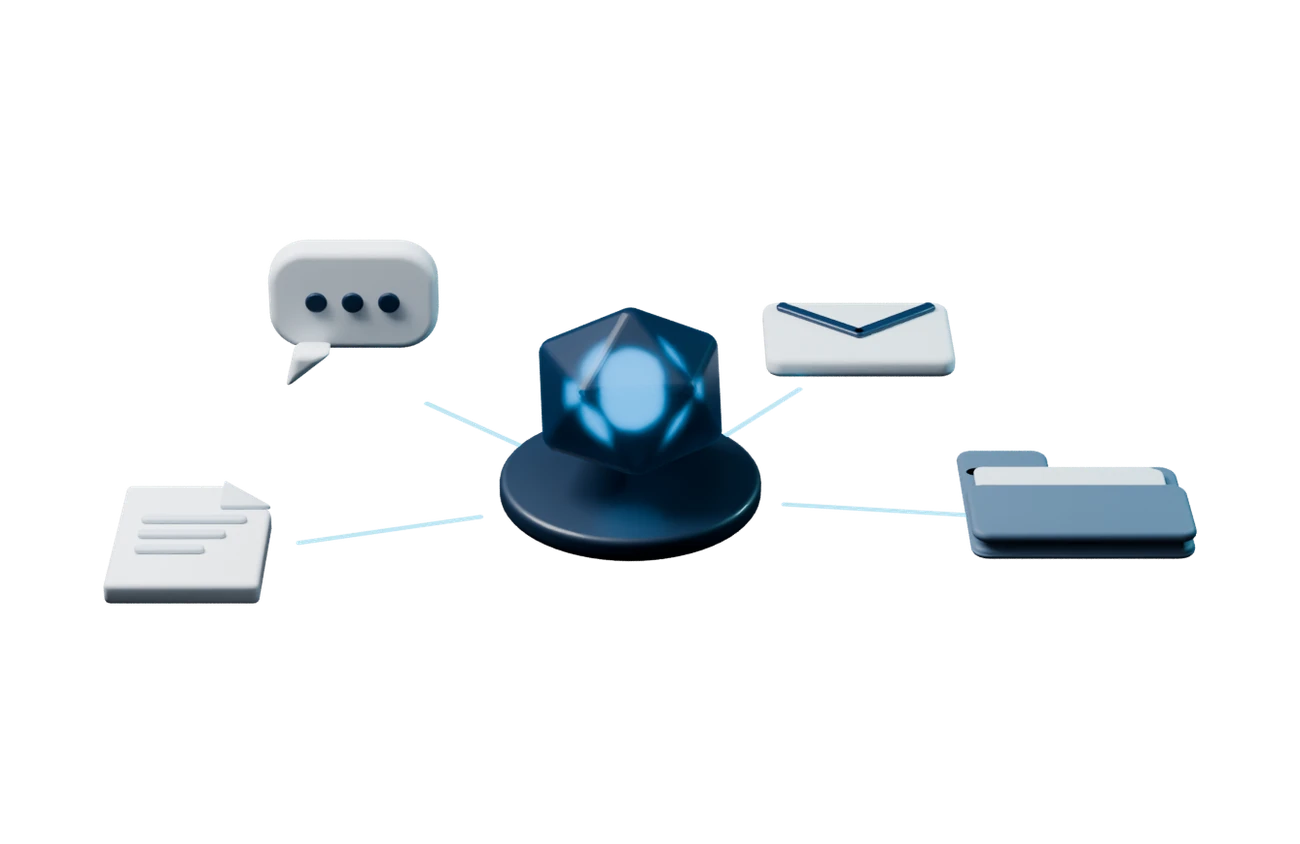
- SearchLooks into the difference across other sources.
- AskDrafts the inquiry to the counterparty.
- Follow upTracks the case through to closing.
- BuildPrepares the case for the decision-maker, with evidence and a recommendation.
What a traza. worker stands on
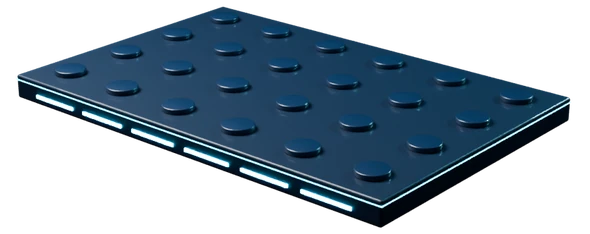
The cell gives it its structure.
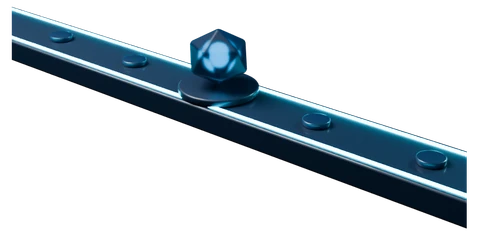
The assignment
A declared step in the process. Outside that step, it takes no assignments.
The tools
The cell's engines and functions. The worker decides; the tool executes, with its safeguards.
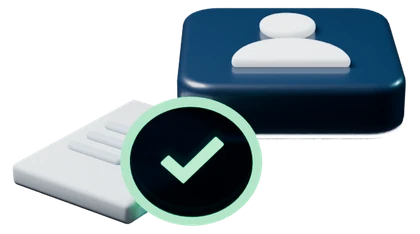
The review
The cell's inbox, approvals and authority levels.
The record
The same append-only record used by code, the AI model and the person.
The rules
Built once; each client configures it with its own rules.
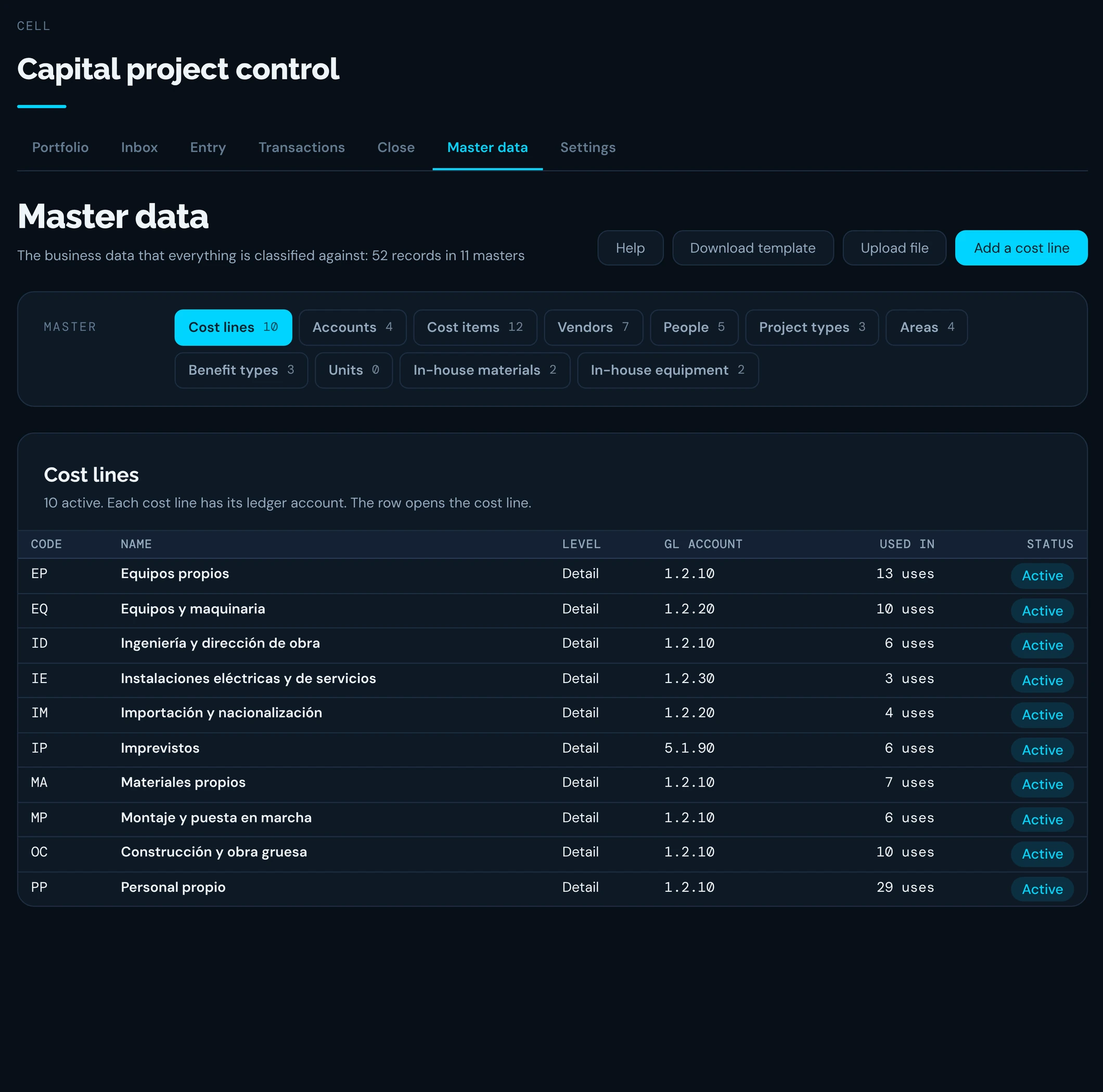
A traza. worker in the console
A variance in Capital project control, explained by the worker.
- InvestigatesIt reads the line item's transactions and writes the explanation, citing each one.
- ProposesIt submits the explanation as a proposal, pending review, under its own name.
- A person reviewsThey accept it or send it back, and the worker revises it.
Demo console, with fictitious data.
What a traza. worker can do in a cell
It can operate in any cell function.
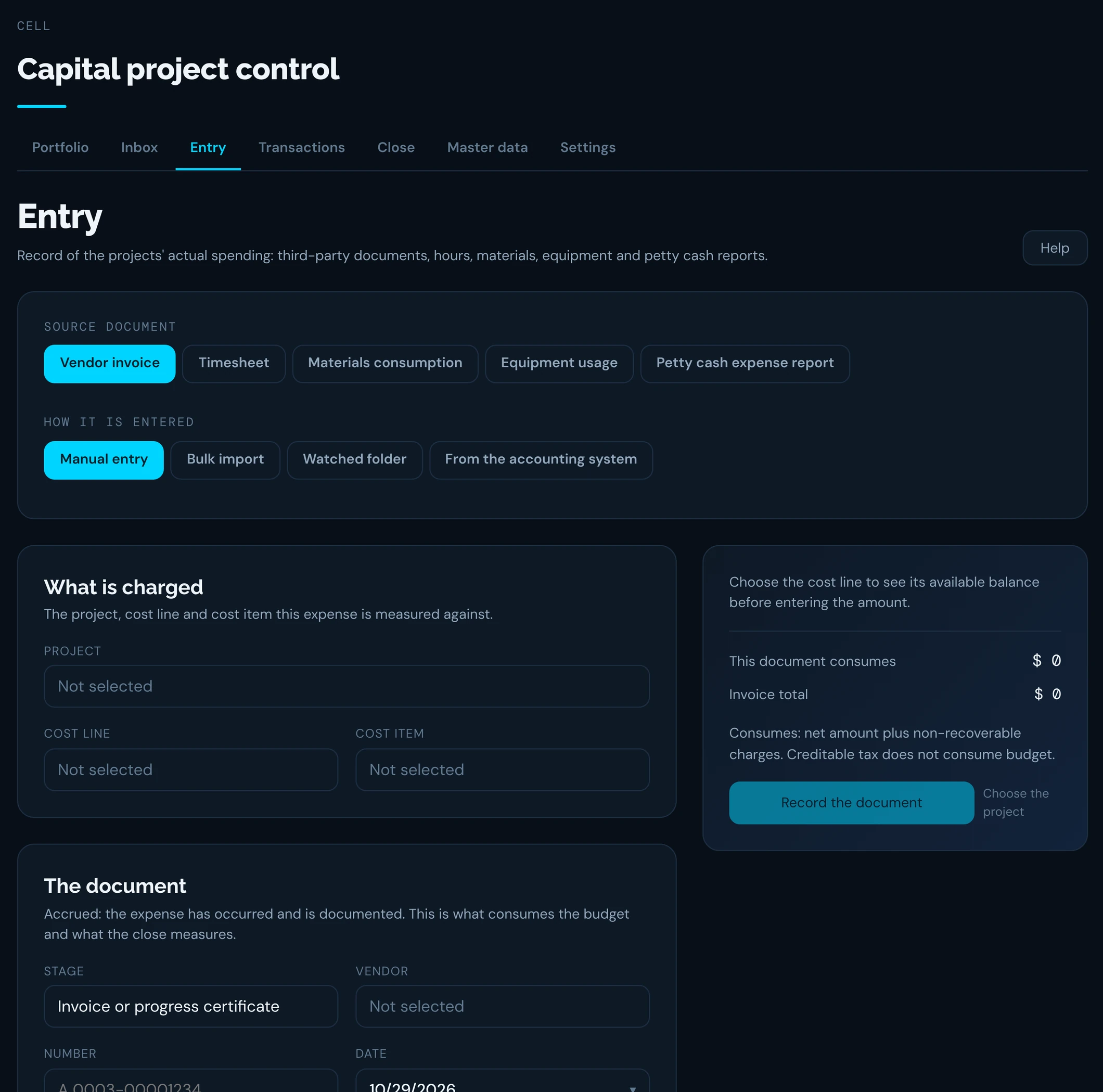

Requests the missing document or data point and resumes with the reply.
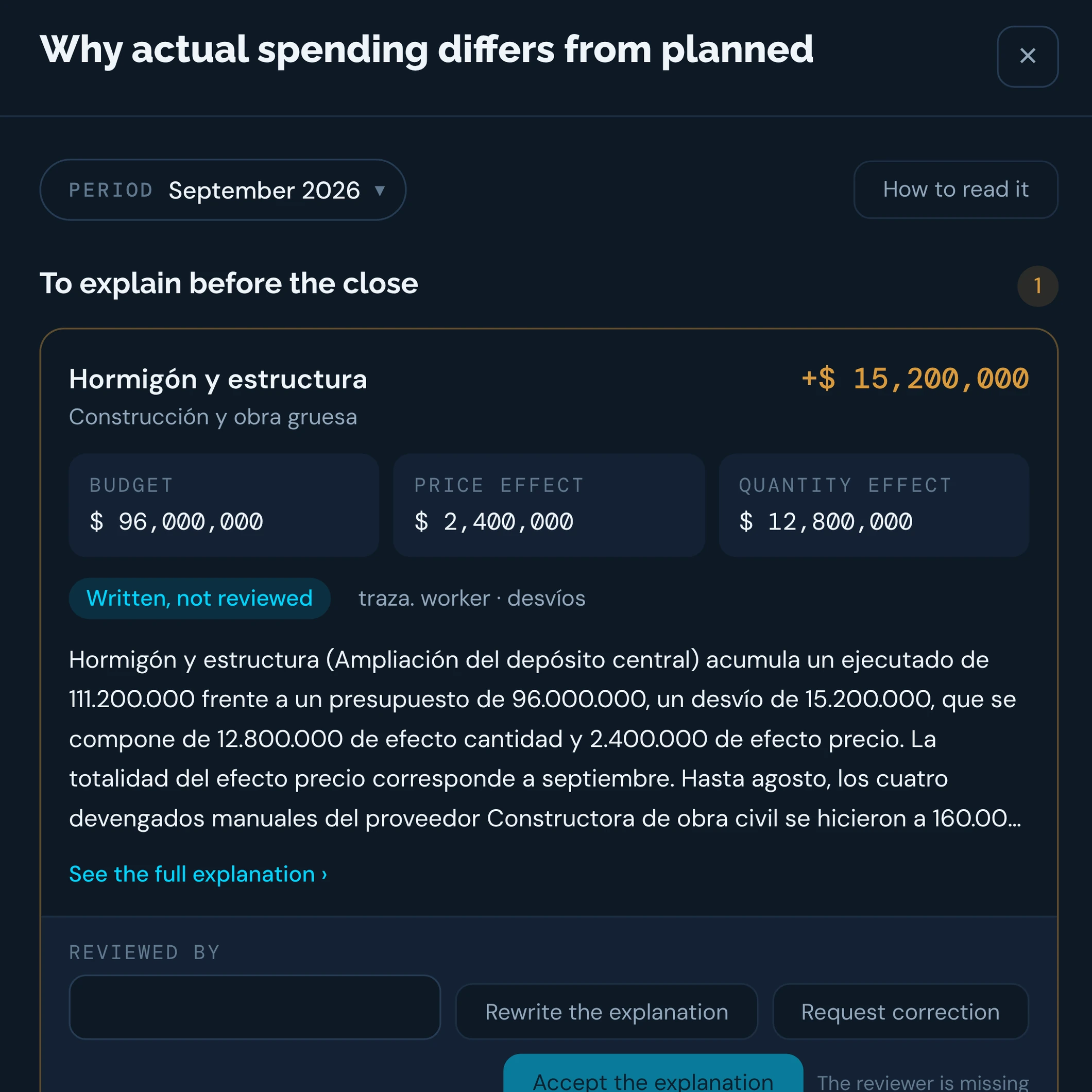
Explains a variance, citing each transaction.
Leaves a new record ready for review.
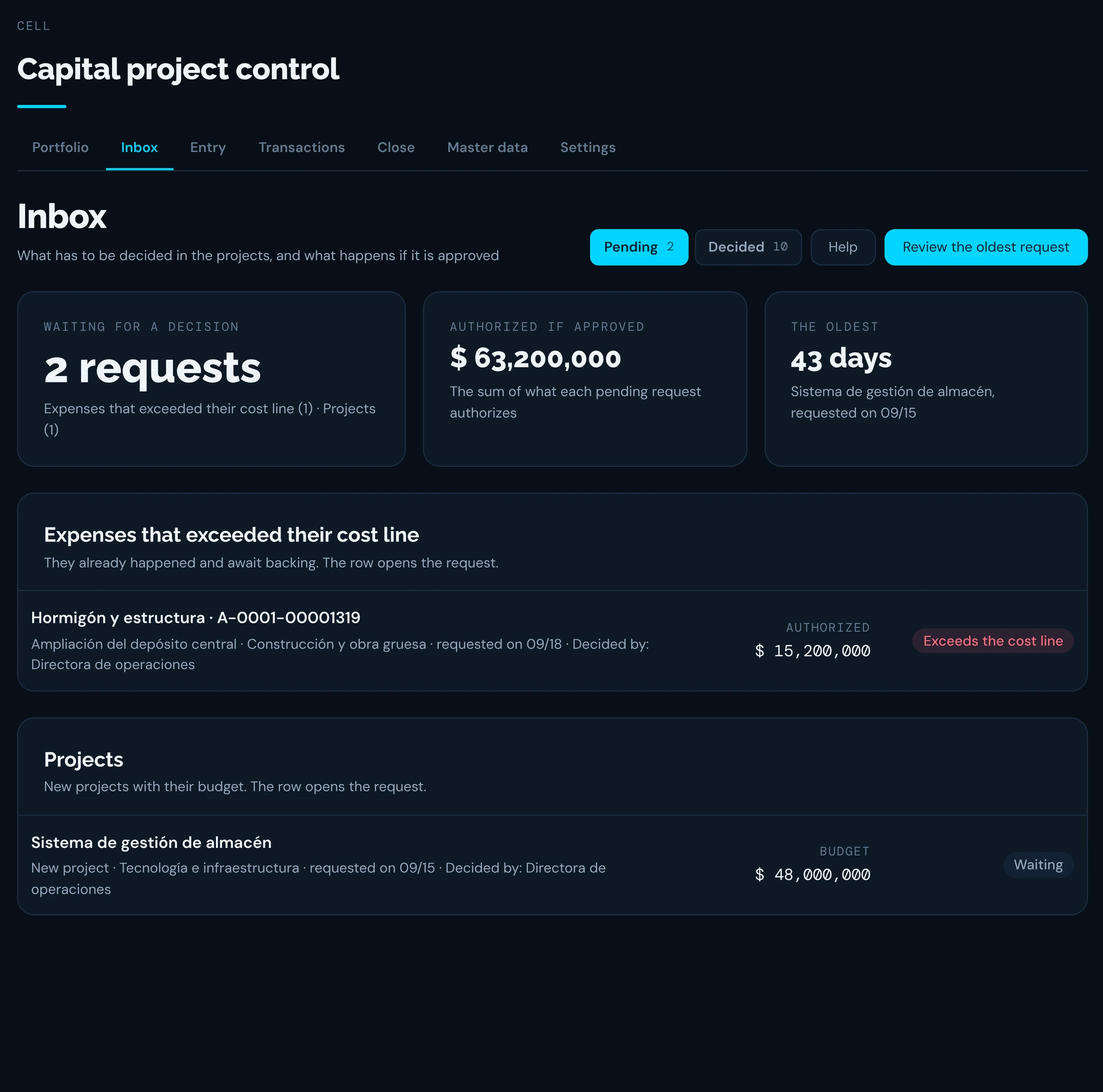
Prepares the case for the approver, with the evidence.
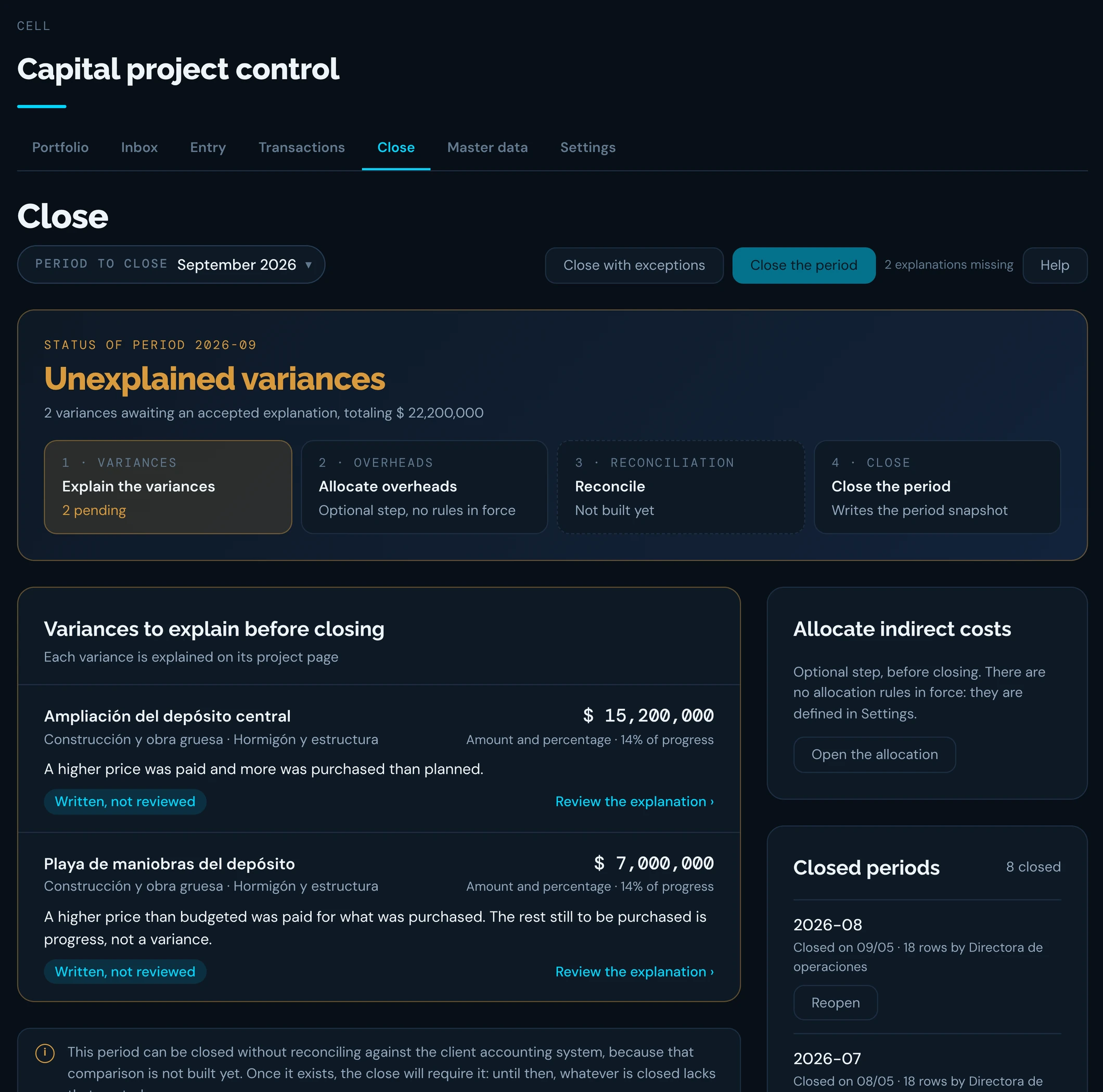
Prepares the variance explanations before the month closes.
Demo console, with fictitious data.
The person's three stages
 01
 02
 03
The four executors
Each step goes to the executor that fits, based on the cost of getting it wrong.
 CodeWhen the rule is exact.
 AI modelWhen a document needs interpreting or an assignment needs suggesting.
- traza. WorkerAgents that take on review and approval within governance.
 PersonWhen the decision is theirs. With traza. workers, they shift to oversight.

The step above
Approving, resolving an exception, answering to a client or an auditor: those decisions are not delegated to any technology. The design places them first and builds everything else around them. Human work is not what is left over when the machine falls short: it is the step above.
Human judgment →Let's find where a traza. worker can operate.
The starting point is a short assessment of the process.
Book a callTo find where to start
To work on a specific process